
Burst Pipe Water Damage Arlington TX | Fast Response, Full Restoration
A burst pipe can deliver hundreds of gallons into your Arlington home before you even notice. We arrive fast, extract completely, and document everything for your insurance claim.
(817) 231-8660Get Help Right Now
We respond within minutes, day or night.
Quick Answer
Yes. In Texas, most standard homeowners insurance policies cover sudden and accidental burst pipe water damage under the dwelling coverage. This includes the resulting water damage to floors, walls, and contents. Gradual leaks or damage from pipes that were known to be in poor condition may be excluded. Document the failure immediately with photos and call your insurer.
Burst pipe water damage in Arlington, Texas hits fast and hard. A standard 3/4-inch supply line under pressure delivers 6 to 8 gallons per minute. In the time it takes most people to discover a failure, shut off the water, and start figuring out what to do, hundreds of gallons may already be in the walls, floors, and subfloor assembly. This page covers why pipes fail in Arlington homes, what the water does to your structure in real time, and what the restoration process looks like from first call to final rebuild.
Why Pipes Fail in Arlington Homes
Arlington’s housing stock reflects the city’s rapid postwar growth. Many homes built in the 1950s through 1970s still have their original galvanized steel or cast iron supply plumbing. That pipe has a finite service life — typically 40 to 70 years — and much of it is well past that. Galvanized pipe corrodes from the inside out, gradually restricting flow and eventually failing at joints, elbows, and corroded sections. You often get no warning.
The bigger and more surprising risk in North Texas is freeze damage. Arlington’s climate is warm but not immune to hard freezes. When winter storms push temperatures into the teens or low 20s — which happens every few years in this part of Texas — uninsulated pipes in exterior walls, attic spaces, and crawl spaces of pier-and-beam homes are at real risk. The February 2021 winter storm affected an enormous number of Arlington properties across every neighborhood and price point. Water expands when it freezes, and that expansion cracks or splits pipe material that may have been in service for decades. The damage often does not reveal itself until the thaw, when water begins flowing through the cracks.
Supply line failures on appliances are the third most common cause of burst pipe claims we see. The braided stainless lines behind refrigerators, washing machines, and toilets have a typical service life of 5 to 10 years. When they fail, they do so suddenly and completely. Many are located behind appliances or in laundry rooms where the failure is not immediately visible — and the water runs until someone notices something is wrong.
Volume Context: What a Burst Pipe Actually Puts Into Your Home
A 3/4-inch supply line under typical household water pressure (50 to 80 psi) delivers 6 to 8 gallons per minute. That is 360 to 480 gallons per hour. A supply line that fails undetected overnight — say, 8 hours — can put 2,880 to 3,840 gallons into your home. At that volume, water is not just on the floor. It is in the wall cavities, under the slab, in the ceiling below an upstairs failure, and migrating to every low point in the structure. This is why what looks like a localized problem often requires drying equipment throughout 50 to 70 percent of the affected floor’s total square footage.
Immediate Steps After Discovering a Burst Pipe
Shut off the water main immediately — not just the valve at the fixture, but the main supply to the house. The main shutoff is typically at the street-side meter box or near the point where the supply line enters the house, often in the garage. Cut power to the affected areas at the breaker. Photograph everything before you touch it. Then call us.
Do not open cabinets under sinks and start running towels — that delays the call and the documentation. Do not put fans on wet carpet — household fans do not dry structural materials, and they do not substitute for extraction. Call immediately and we will handle the rest.
Burst Pipe Insurance Coverage in Texas
Standard HO-3 homeowners policies in Texas cover sudden and accidental pipe failures. This includes the damage to your home’s structure and your personal property. The pipe repair itself (the actual broken pipe) is typically not covered — that is a plumbing repair, not a restoration claim. But the drywall, flooring, subfloor, insulation, and contents damaged by the water are covered losses under most policies.
The critical word is “sudden.” If your insurer can show the pipe was corroded for years and the damage was gradual, they may dispute coverage. Thorough immediate documentation of the failure point is what prevents that dispute. We photograph and document the failure in detail as part of our assessment.
For the immediate action steps to take right now, see our emergency water damage page. For the full restoration process from extraction through rebuild, see our water damage restoration page.
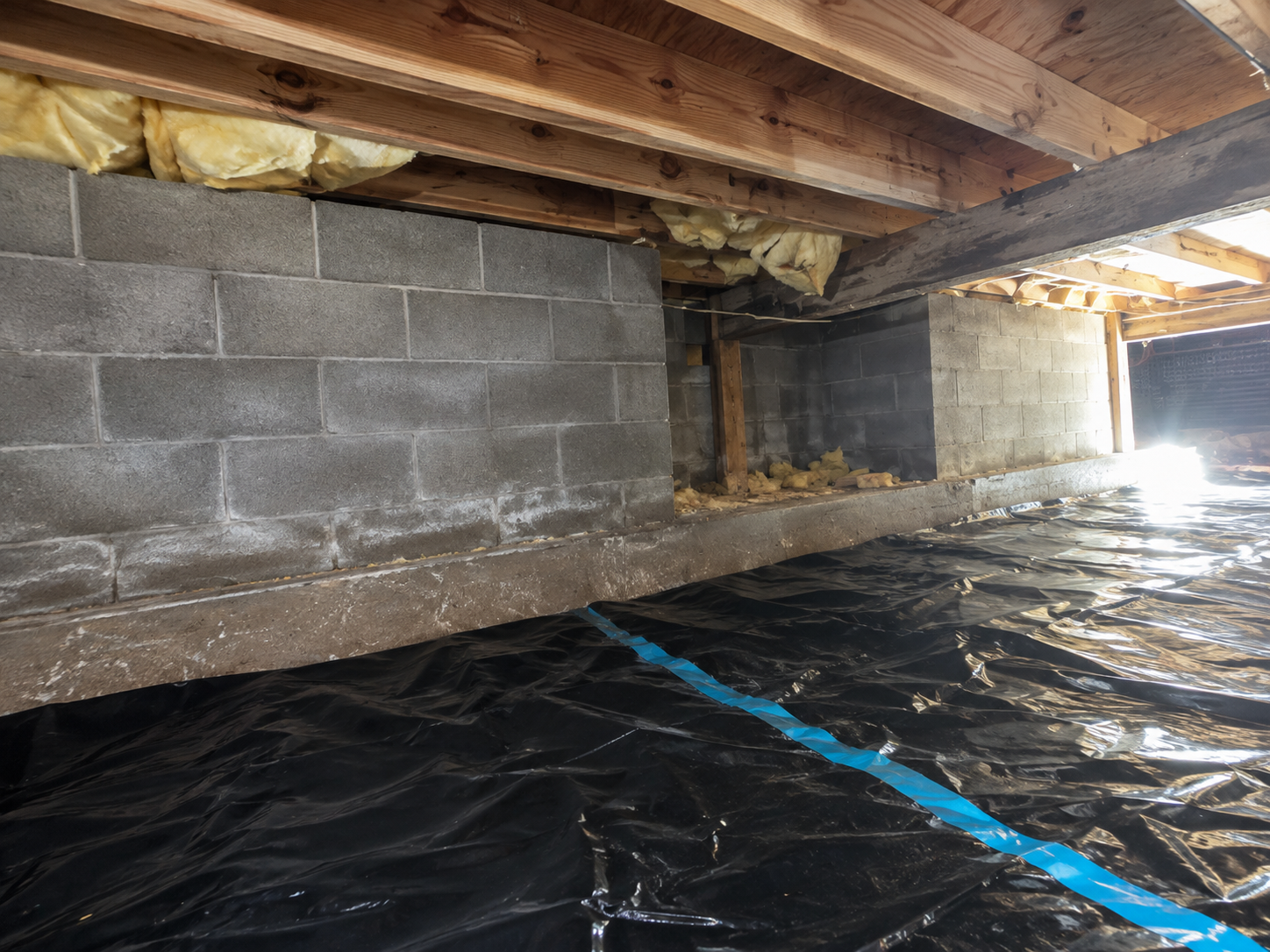
Common Pipe Failure Sources
- Aging galvanized steel supply lines
- Freeze damage in exterior walls and attic
- Appliance supply lines (refrigerator, washing machine, toilet)
- Under-slab plumbing movement from clay soil
- Corroded copper at slab penetration points
- Water heater supply and discharge lines
Volume at a Glance
- 3/4-inch line: 6-8 gallons per minute
- 1-hour undetected failure: up to 480 gallons
- 8-hour overnight failure: up to 3,840 gallons
- 1 inch of water across 1,000 sq ft: approximately 623 gallons
Frequently Asked Questions
Usually no. Standard homeowners policies cover the damage caused by the water, not the repair of the pipe that broke. Think of it as: the pipe repair is a plumbing cost, the restoration is an insurance claim. Some policies have limited coverage for pipe repair if it requires tearing into a wall — check your specific policy language.
Common indicators are a warm or hot spot on the floor, the sound of running water when all fixtures are off, an unexplained spike in your water bill, cracks in flooring tile or hardwood buckling near baseboards, and mold or musty odors near the floor. Slab leaks are common in Arlington due to the movement of expansive Blackland clay under foundations. Call us if you suspect one — we can map the moisture migration.
Extraction and setup takes a few hours. Structural drying runs 3 to 5 days with daily monitoring. If the failure was large or undetected for many hours, the affected area is often larger than expected and drying may take longer. Reconstruction after drying depends on what materials had to be removed — typically 5 to 14 days for standard residential scope.
Yes, absolutely. Any significant water event that goes untreated creates mold risk. In Arlington’s summer climate, mold can begin within 24 to 48 hours on wet drywall, wood, and insulation. The faster professional extraction and drying begins, the lower the mold risk. If the event happened more than 48 hours ago, read our mold remediation page for what to expect.
Request a Free Assessment
We respond day or night. Describe your situation and we will call you right back.