
Arlington TX Spring Severe Weather Season — What to Do Before March Hits
 By Adam Wilson, Arlington TX Water Damage
Quick Answer
Arlington TX spring severe weather season runs March through May and brings the highest risk of hail, straight-line winds, tornadoes, and flash flooding. Before March, inspect your roof for missing or cracked shingles, clear gutters and downspouts, check attic ventilation for gaps, know your main water shutoff location, review your homeowners and flood insurance policies, and photograph your home’s interior and exterior for insurance baseline documentation. Most storm damage claims that go wrong do so because the homeowner had no pre-storm documentation.
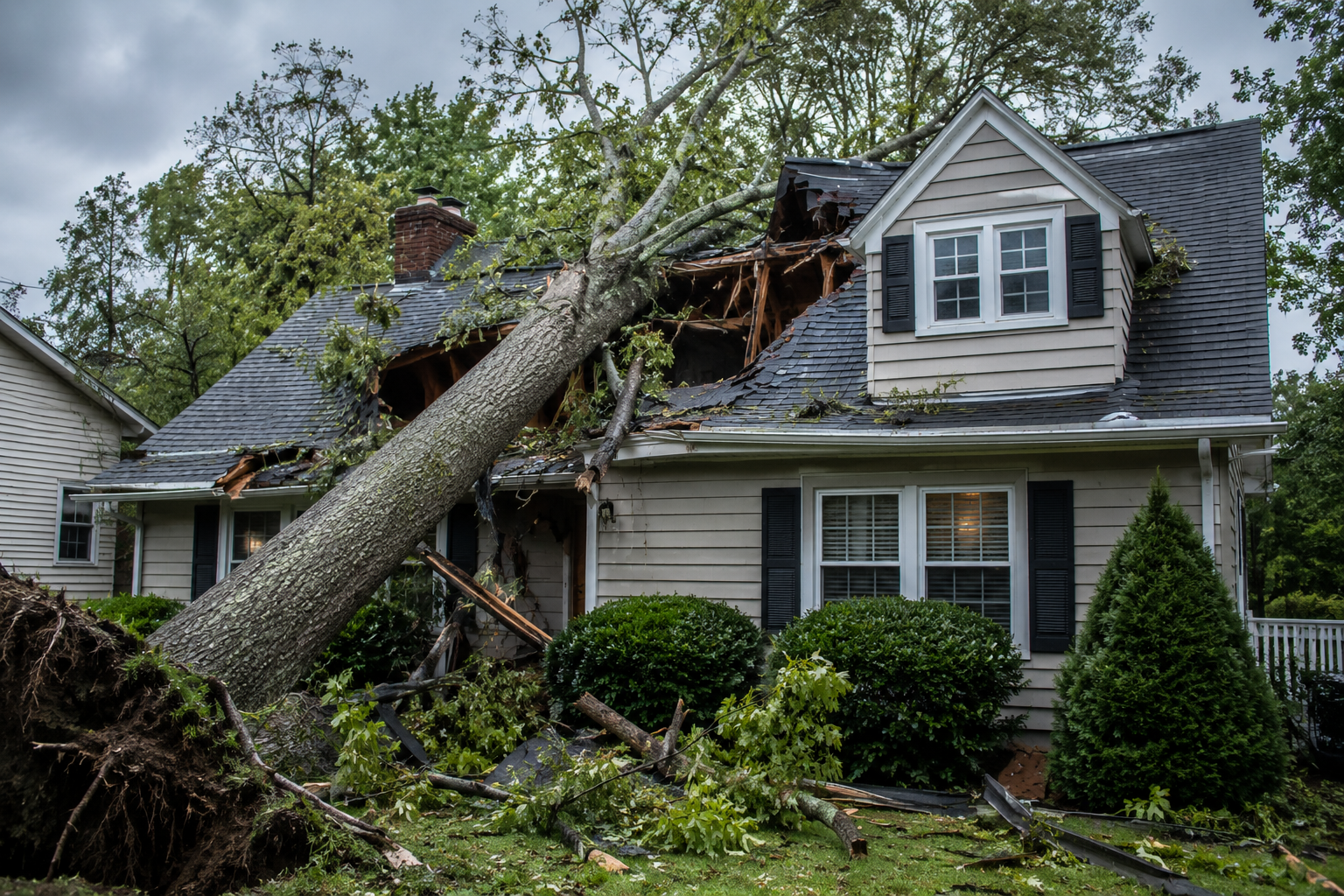
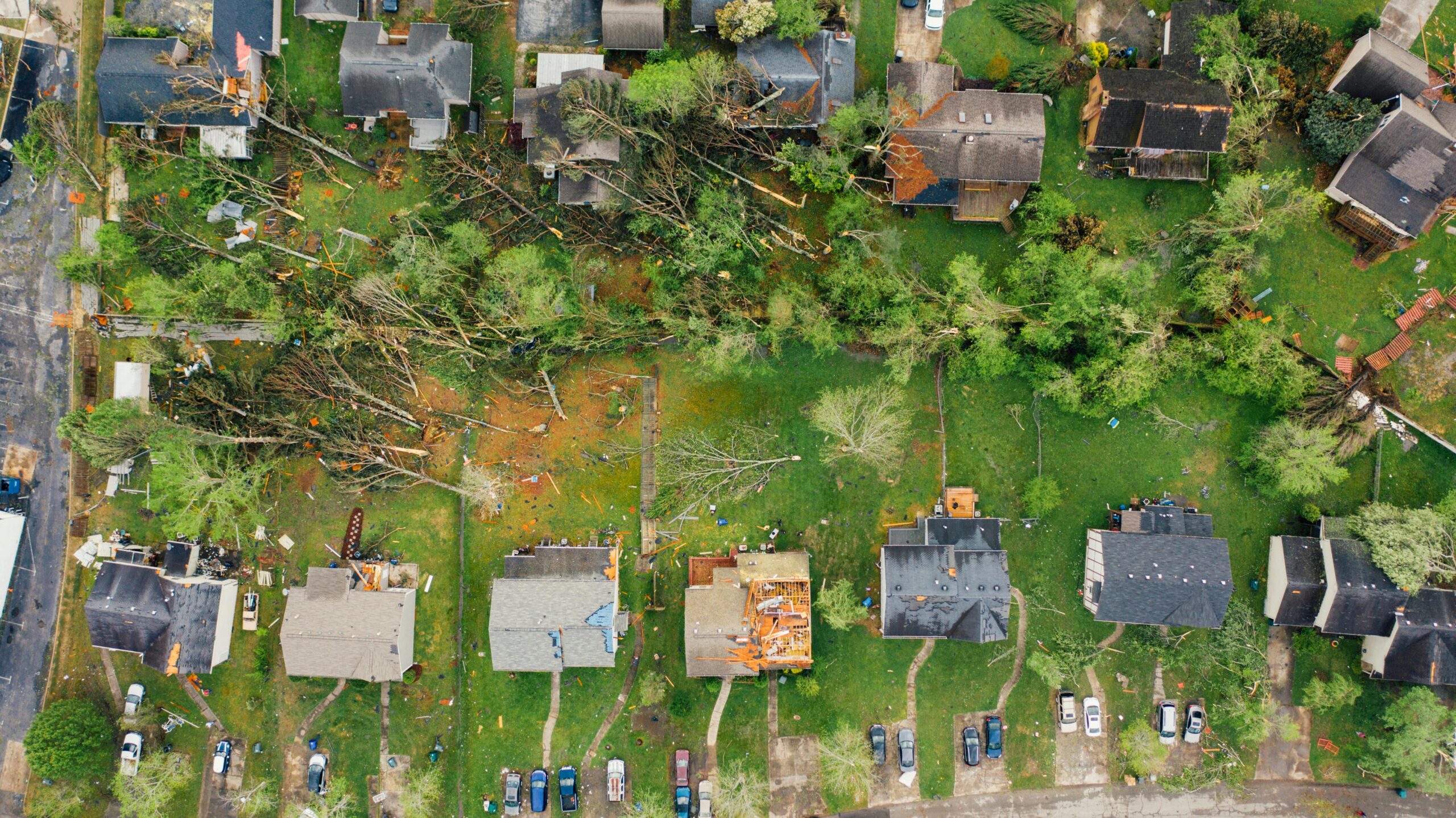
North Texas severe weather does not ease in gradually. The transition from winter to spring in Tarrant County is abrupt in the worst way — a mild February followed by a March that brings the first supercell of the season, with baseball-sized hail and winds that the weather service will later classify as straight-line rather than tornado simply because the damage pattern was not rotational enough. If you live in Arlington and you are not prepared before March, you are already behind.
This guide is not about emergency response during a storm — that is covered on our storm damage restoration page. This is about what to do in January and February so that when the first significant storm of the season arrives, you are not scrambling to figure out what your policy covers while water is coming through your ceiling.
1. Get a Roof Inspection in February
Roofs in the DFW metro take repeated hail hits over their lifespan, and the cumulative effect of multiple moderate hail events can leave shingles technically intact but structurally compromised — granule-stripped, micro-cracked underlayment, compromised ridge caps. A roof in that condition will fail the next time it takes a direct hit from a significant storm, and it will fail at a cost considerably higher than if the prior damage had been addressed.
Schedule a professional roof inspection in February, before the spring season starts and before roofing contractors are fully booked responding to storm calls. Look specifically for granule loss in gutters and downspouts (a sign of shingle wear), cracked or missing ridge caps, lifted flashing around chimneys and vents, and any soft spots in the decking that indicate prior water intrusion into the attic assembly. Address what you find before March.
2. Clear Gutters and Verify Downspout Routing
Clogged gutters during a heavy Arlington rain event back up and overflow along the fascia, which allows water to get behind the soffit and into the attic edge. Beyond the clog issue, verify that your downspouts direct water at least six feet away from the foundation and that the grade around your foundation slopes away from the structure. Arlington’s clay soil sheds water fast once saturated — if that water is running toward your foundation rather than away from it, every significant rain event contributes to foundation movement and potential intrusion.
3. Know Your Main Water Shutoff Location
If a storm breaks a window and rain drives into your home, or if a fallen tree limb damages a pipe, your ability to shut off the water quickly is the difference between a manageable water intrusion and a major water damage event. Know where the main shutoff is before an emergency requires you to find it under stress. In most Arlington slab-on-grade homes, it is at the meter near the street or on an exterior wall in the garage. Confirm now, while conditions are calm.
4. Review Your Homeowners Policy for Storm Coverage
Texas HO-3 policies cover wind, hail, and tornado damage as standard covered perils. What many homeowners do not know until after a storm event is what their deductible structure looks like for wind and hail specifically. Many Texas policies have a separate wind/hail deductible — often 1 to 2 percent of the insured value — that is different from the standard all-perils deductible. On a home insured for $350,000, a 1 percent wind/hail deductible means you are responsible for the first $3,500 of any storm claim. Know your number before you file.
Also confirm whether your policy covers additional living expenses if storm damage makes your home uninhabitable during repairs. This is a common coverage gap that surfaces only after a significant event when the homeowner discovers they need to pay for a hotel out of pocket.
5. Get Separate Flood Coverage If You Need It
Standard homeowners insurance does not cover rising water flooding — creek overflow, sheet flooding, storm drain backup. If your home is in or near a FEMA flood zone along Johnson Creek, Village Creek, or Sycamore Creek, a National Flood Insurance Program policy is worth serious consideration before spring. NFIP policies have a 30-day waiting period before coverage becomes effective, which means if you buy it in response to a storm warning, it does not cover that event. Buy it before the season starts.
6. Photograph Your Home and Belongings Now
A complete pre-storm photo and video record of your home’s interior, exterior, roof, and contents is the single most underrated storm preparation step. Insurance adjusters work from what they can document. Undocumented pre-existing conditions get used to dispute claims. Walk through every room, open every cabinet, and record what you have. Store the files in cloud storage — not only on a device that could be damaged in the same storm event.
After any spring storm: Do not wait to assess damage. Even if your home looks fine from the street, get a roof inspection and interior moisture check within 48 hours of a significant hail event. Hail damage that looks minor from the ground frequently compromises the underlayment in ways that allow water intrusion in the next rain event. Call us at (817) 231-8660 if you see any signs of water intrusion after a storm — we respond 24 hours a day.
Frequently Asked Questions
The primary severe weather season in Arlington and Tarrant County runs from March through May. This period brings the highest risk of supercell thunderstorms, large hail, straight-line winds, and tornado activity. A secondary severe weather season runs September through November. December through February carries the highest risk of ice storms and pipe-freeze events.
Yes. Standard Texas HO-3 homeowners insurance covers hail damage as a covered peril. However, many Texas policies have a separate wind and hail deductible — often 1 to 2 percent of the insured dwelling value — that is higher than the standard all-perils deductible. Review your specific policy before storm season to know your actual out-of-pocket exposure.
It depends on the severity of the impact and the condition of the roof. Severe hail that dislodges shingles entirely can allow water intrusion in the next rain event — sometimes within hours. More common is moderate hail that cracks or strips the granule layer from shingles, which compromises the underlayment and leads to leaks within one to three subsequent rain events. This is why post-storm roof inspections matter even when the damage is not visually obvious from the ground.
If your home is in or near a FEMA-designated flood zone along Johnson Creek, Village Creek, or Sycamore Creek, flood insurance is worth serious consideration. NFIP policies have a 30-day waiting period, so they must be purchased before a storm event to provide coverage. Even properties outside mapped flood zones can experience flash flooding in Arlington due to the city’s flat terrain and clay soil, particularly during intense spring and summer rain events.
Have a Pre-Season Question? Send It Our Way.
Fill out the form and we will call you back within minutes.