
Older Arlington TX Neighborhoods Most at Risk for Water Damage — What Pre-1960s Homes Face
 By Adam Wilson, Arlington TX Water Damage
Quick Answer
The Arlington TX neighborhoods most at risk for water damage are those built before 1960 on pier-and-beam foundations, particularly in the older areas near downtown Arlington, around the University of Texas at Arlington campus, and in neighborhoods like College Hill, Lamar Heights, and the streets between Division and Abram west of Collins. These homes have crawl spaces that accumulate moisture, aging galvanized steel plumbing, and original wood subfloors that absorb water significantly faster than modern materials. They are also the neighborhoods most likely to have drainage infrastructure that predates the city’s rapid growth.
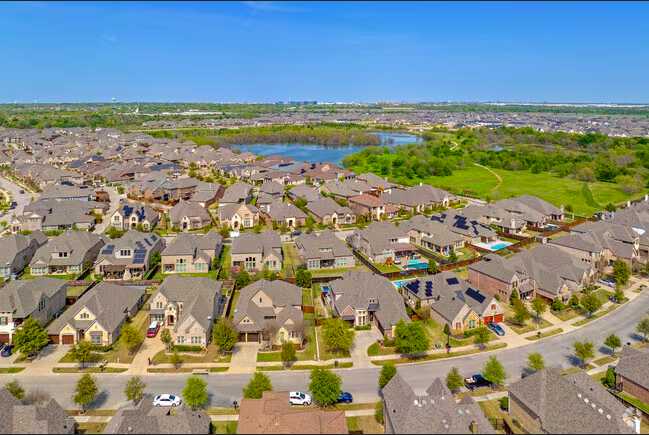
Most of Arlington is a post-war city. The city’s population was under 8,000 in 1950 and grew to over 90,000 by 1960, driven largely by the expansion of General Motors’ Assembly Plant and subsequent industrial and residential development. That growth produced two distinct layers of housing stock: the older pre-growth neighborhoods near the historic downtown core, and the massive wave of tract development that spread across the city through the 1960s, 1970s, and 1980s on slab-on-grade foundations.
The older layer — homes built before 1955 or so — were constructed differently. They sit on pier-and-beam foundations. They have crawl spaces. Their plumbing is galvanized steel or early copper, now 60 to 70 years old. Their drainage infrastructure, where it exists at all in the original form, was designed for a city a fraction of the size Arlington became. And they sit closer to the original creek courses and drainage patterns that defined the landscape before the city was built around them.
These homes have significantly higher water damage exposure than the slab-on-grade construction that dominates the rest of the city — not because they were built poorly, but because they have aged into conditions that require different awareness and maintenance than newer construction.
Where the Older Neighborhoods Are
The highest concentration of pre-1960 housing in Arlington runs through a corridor roughly bounded by Division Street to the north, Arkansas Lane to the south, Collins Street to the east, and Cooper Street to the west. The neighborhoods around the UTA campus — Lamar Heights, College Hill, and the blocks immediately surrounding the university on its west and south sides — have the densest concentration of this older pier-and-beam stock. Streets like West Abram, West Mitchell, Center Street, and the blocks between Pecan and Pioneer Parkway in that zone are representative of the age and construction type.
Smaller pockets of pre-war and early post-war homes exist throughout the city — near the intersection of Pioneer Parkway and Collins, along sections of East Division, and in some of the older established neighborhoods north of I-30 near the city’s historic commercial core.
The Pier-and-Beam Crawl Space Problem
Pier-and-beam foundations elevate the floor structure above grade on concrete or masonry piers, leaving a crawl space between the floor system and the ground. This design was standard in pre-war Texas construction and has real advantages — it allows access to plumbing and electrical under the floor without cutting concrete, and it performs better than slabs in some soil movement scenarios.
The water damage risk comes from the crawl space itself. In Arlington’s climate, the space between the ground and the floor assembly traps humidity. Without adequate ventilation and a vapor barrier on the ground, moisture from the soil migrates into the crawl space and into the wood subfloor above it. Over time, that chronic moisture exposure leads to subfloor rot, fungal growth, and pest damage that compromises the structural integrity of the floor system. We have assessed pier-and-beam homes near the UTA campus where the entire subfloor assembly needed replacement due to long-term moisture exposure that had never been directly addressed.
The fix is relatively straightforward — a proper vapor barrier on the crawl space floor, adequate ventilation or an encapsulation system, and regular inspection — but it requires knowing the problem exists. Many owners of older Arlington homes have never looked under their house.
Aging Plumbing in Pre-1960s Homes
Homes built before 1960 in Arlington typically have one of two plumbing materials: galvanized steel or early-generation copper. Galvanized steel pipe has a service life of approximately 40 to 70 years depending on water chemistry and usage conditions. In Arlington, where many of these pipes are approaching or past that range, corrosion-related failures are increasingly common. The pipe does not fail catastrophically all at once — it develops pinhole leaks, slow drips at joints, and gradually restricted flow as interior scale builds up. Those slow leaks, often invisible inside walls or under the pier-and-beam floor system, can run for months before discovery.
Early copper plumbing from the 1950s and early 1960s is generally in better condition than galvanized steel at the same age, but it is not immune to failure — particularly at solder joints that used lead-based solder, which can develop porosity over time. If you own a pre-1960 home in Arlington and you have not had the plumbing pressure-tested or inspected in the last several years, it is worth adding to the maintenance list.
Drainage Infrastructure Around Older Neighborhoods
The storm drainage infrastructure serving the older core neighborhoods of Arlington was designed and installed during a period when the surrounding area was far less developed. Impervious surface area has increased dramatically since those systems were built, meaning more runoff reaches the same drainage infrastructure during the same storm events. The result is that older neighborhood drainage systems are more likely to be overwhelmed during intense rain events, producing street flooding and potential water intrusion into homes that sit at or near street grade.
This is compounded by the fact that older pier-and-beam homes, being elevated on piers, sit slightly higher than grade — which is actually a modest advantage compared to slab homes where the finished floor is at or very near ground level. But it does not eliminate the risk of water reaching the crawl space during a flooding event, particularly where lot grading has changed over decades of landscaping and construction activity.
If you own or are considering purchasing a pre-1960 home in Arlington, call us for a moisture assessment. We will inspect the crawl space, assess the subfloor assembly, and give you a clear picture of current moisture conditions and any remediation that may be needed. For mold that has developed from long-term crawl space moisture, our mold remediation page covers the full treatment process. For water damage from any source in these older properties, reach us at (817) 231-8660.
Frequently Asked Questions
The neighborhoods with the highest water damage risk are those built before 1960 on pier-and-beam foundations near the downtown core and around the UTA campus — areas like College Hill, Lamar Heights, and the streets between Division and Abram west of Collins. These homes have crawl spaces that accumulate moisture, aging galvanized plumbing, and drainage infrastructure designed for a much smaller city.
A pier-and-beam foundation elevates the floor structure above grade on concrete or masonry piers, leaving a crawl space between the floor and the ground. The crawl space traps humidity from the soil, which migrates into the wood subfloor assembly above it. Without a vapor barrier and adequate ventilation, chronic moisture exposure leads to subfloor rot, fungal growth, and structural damage over time. Most pre-1960 Arlington homes have this foundation type.
Signs of crawl space moisture problems include floors that feel soft or bouncy when walked on, a musty odor at floor level, visible mold along baseboards or in closets near exterior walls, high humidity inside the home that persists even with AC running, and evidence of pest activity (wood-boring insects are attracted to moisture-damaged subfloors). A crawl space inspection is the only reliable way to assess the actual condition.
Galvanized steel pipe has a service life of 40 to 70 years, which means pipes installed in the 1950s and early 1960s are at or past their expected lifespan. Common failure modes include pinhole leaks inside walls, slow drips at threaded joints, and restricted flow from interior scale buildup. A plumber can pressure-test the system and assess pipe condition without opening walls unnecessarily. Replacement is typically done in phases, starting with the most deteriorated sections.
Request a Moisture or Crawl Space Assessment
Fill out the form and we will call you back within minutes.