February Freeze Prep for Arlington TX Homeowners — Pipe Protection After the 2021 Winter Storm
 By Adam Wilson, Arlington TX Water Damage
Quick Answer
After the February 2021 winter storm exposed how unprepared North Texas homes are for extended freezes, Arlington homeowners should insulate all exposed pipes in attics, exterior walls, and garages, know their main water shutoff location, keep cabinet doors under sinks open during freezes, let faucets drip on the coldest nights, and have a restoration company’s number saved before a freeze event arrives. If pipes burst, shut the water off immediately and call for professional extraction — burst pipe water damage in Texas is covered under standard homeowners insurance as a sudden and accidental event.
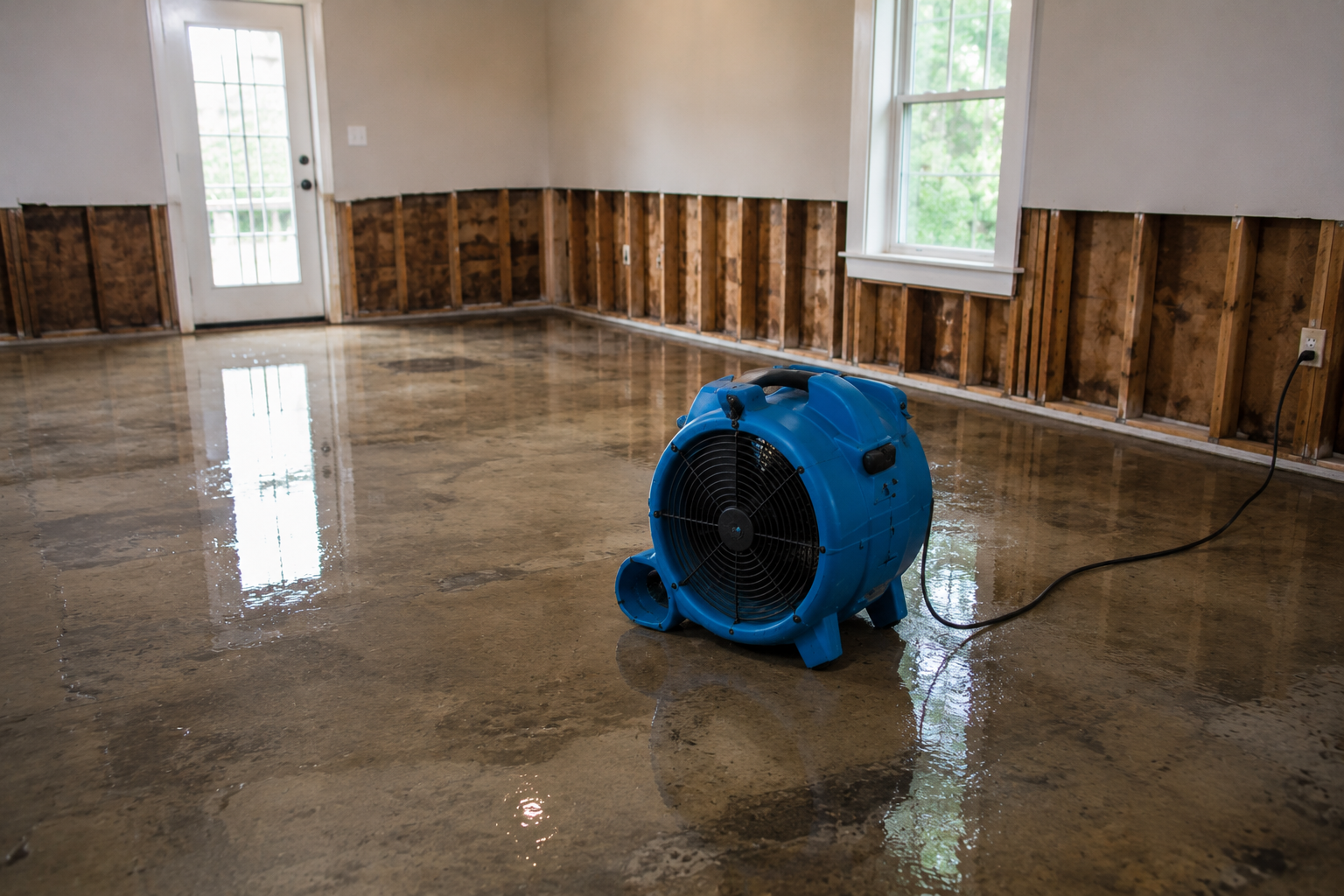
The February 2021 winter storm — Winter Storm Uri — was a categorical event for North Texas. Temperatures dropped to single digits and stayed there for days, a duration that Texas infrastructure and Texas homes are not engineered to handle. The result in Arlington and across Tarrant County was a mass pipe failure event that overwhelmed plumbers, restoration companies, and insurers for months. Some homeowners waited weeks for a restoration crew. Some discovered damage in walls and floors that went unaddressed long enough to become significant mold remediation projects.
The storm revealed something that anyone who has worked in restoration in this region already knew: North Texas homes are built for heat, not cold. Pipes run through exterior walls, attics, and garages without insulation that would be standard in climates that regularly freeze. When a freeze event lasts long enough — more than 12 to 18 hours below 20 degrees — those uninsulated pipes fail.
Arlington is not immune to another event like 2021. The conditions that produced it were extreme but not unprecedented in North Texas weather history, and climate patterns that produce prolonged Arctic outbreaks are not going away. Preparation is practical and relatively inexpensive. Repair is not.
Identify and Insulate Vulnerable Pipes Before Winter
The pipes most likely to freeze in an Arlington home are those in the attic, in exterior wall cavities (particularly on north-facing walls), in the garage, and under mobile homes or pier-and-beam structures where the crawl space is exposed to ambient air. These locations lack the insulation protection that interior wall pipes have from the thermal mass of the building.
Foam pipe insulation sleeves are inexpensive and available at any hardware store. They wrap around exposed pipes and slow heat loss during a freeze event. For attic pipes, the addition of blown insulation on the attic floor does more to protect those pipes than insulating the pipes themselves, because it keeps the attic temperature higher. If your attic has less than R-30 insulation, adding to it is a worthwhile investment regardless of freeze risk.
Outdoor hose bibs should be fitted with insulated covers before the first freeze of the season. Disconnect garden hoses from bibs before freezing temperatures arrive — a connected hose traps water and prevents the bib’s internal shutoff from draining.
Know Your Main Water Shutoff Before You Need It
This was the critical failure point for many Arlington homeowners during the 2021 event. A pipe bursts at 3 a.m. on the second night of the freeze. The homeowner does not know where the main shutoff is. By the time the water is off, thousands of gallons have entered the structure. In the February 2021 storm, our crew arrived at homes where water had been running for four to six hours before anyone found the shutoff. The damage in those cases was categorically worse than homes where the water was cut quickly.
Find your main shutoff now, in calm conditions. It is typically at the meter near the street or on an exterior wall inside the garage. Some Arlington homes have a second shutoff inside the home near the water heater. Know both locations. Consider leaving a note on the water heater with shutoff instructions for anyone in the household who might need to act in an emergency.
What to Do During a Freeze Warning
When the National Weather Service issues a freeze warning for Tarrant County — particularly if temperatures are forecast to drop below 20 degrees for more than a few hours — take these steps before the freeze arrives. Open cabinet doors under sinks on exterior walls to allow warmer air from the home to circulate around the pipes. Let faucets drip on the side of the home most exposed to north wind — moving water is significantly harder to freeze than standing water. Keep the thermostat set no lower than 55 degrees even if the home will be unoccupied. If you are leaving town during a freeze warning, consider shutting off the main water supply and draining the lines.
If Pipes Burst: Act Immediately
Shut off the main water supply the moment you discover a burst pipe. Do not wait to assess the damage first — the pipe will keep flowing until the supply is cut. Once the water is off, do not turn the heat up rapidly in an attempt to thaw pipes quickly; rapid temperature changes can stress the pipe further. Call a plumber for pipe repair and call us at (817) 231-8660 for water damage extraction. Our burst pipe water damage page covers the full restoration process and insurance coordination in detail.
Insurance Coverage for Burst Pipe Water Damage in Texas
Burst pipe water damage from a freeze event is covered under standard Texas homeowners insurance as a sudden and accidental loss. The 2021 storm generated tens of thousands of claims across the DFW metro, and the vast majority were paid. Document everything before cleanup begins — photographs and video of the damage, the pipe failure location, and all affected areas. Call your insurer to get a claim number, then authorize us to begin extraction. We provide all documentation your adjuster needs throughout the restoration process.
2021 lesson learned: The homeowners who fared best during the February 2021 event were those who knew their shutoff location, acted within the first 30 minutes of discovering a burst pipe, and had a restoration company on-site within the first few hours. Response speed in a freeze event determines how much of the structure can be saved versus how much has to be replaced.
Frequently Asked Questions
The pipes most likely to freeze are those in the attic, in exterior wall cavities on north-facing walls, in unheated garages, and under pier-and-beam homes where the crawl space is exposed to ambient air. These locations lack the insulation protection that interior pipes benefit from. Outdoor hose bibs are also highly vulnerable, especially when garden hoses are left connected.
Pipes can begin freezing when ambient temperatures drop below 20 degrees Fahrenheit and remain there for more than several hours. During the February 2021 winter storm, temperatures in Arlington reached single digits and stayed below freezing for multiple days — far outside the range most North Texas plumbing is designed to tolerate. Pipes in uninsulated attics and exterior walls are the first to fail.
Yes. Burst pipe water damage from a freeze event is covered under standard Texas homeowners insurance as a sudden and accidental loss. The 2021 winter storm generated widespread claims across the DFW area that were generally paid. Document the damage with photographs and video before cleanup begins, notify your insurer to get a claim number, then authorize extraction and restoration work.
Mold can begin germinating in wet wall cavities within 24 to 48 hours in normal conditions, and faster in the warmer months. During a freeze event, the cold temperatures slow mold growth initially — but once the home warms up post-freeze and the water in the walls is still present, mold conditions become ideal rapidly. Properties that went weeks before restoration crews arrived after the 2021 event frequently required mold remediation in addition to water damage restoration.
Not an Emergency? Get Prepared.
Fill out the form with any questions and we will call you back.