
Flood Cleanup Arlington TX | Water Out Fast, Home Restored Right
Arlington’s Trinity River watershed and expansive clay soil create real flood risk after heavy rain. We extract, decontaminate, and dry your property to IICRC standards. Call any hour.
(817) 231-8660Get Help Now
We dispatch within minutes of your call.
Quick Answer
Flood cleanup in Arlington, TX involves extracting Category 3 contaminated water, removing non-salvageable materials including drywall and flooring, disinfecting structural components, and drying the structure to IICRC S500 standards. Flood water from Johnson Creek or Trinity River overflow is classified as Category 3 and requires full PPE and biohazard protocols.
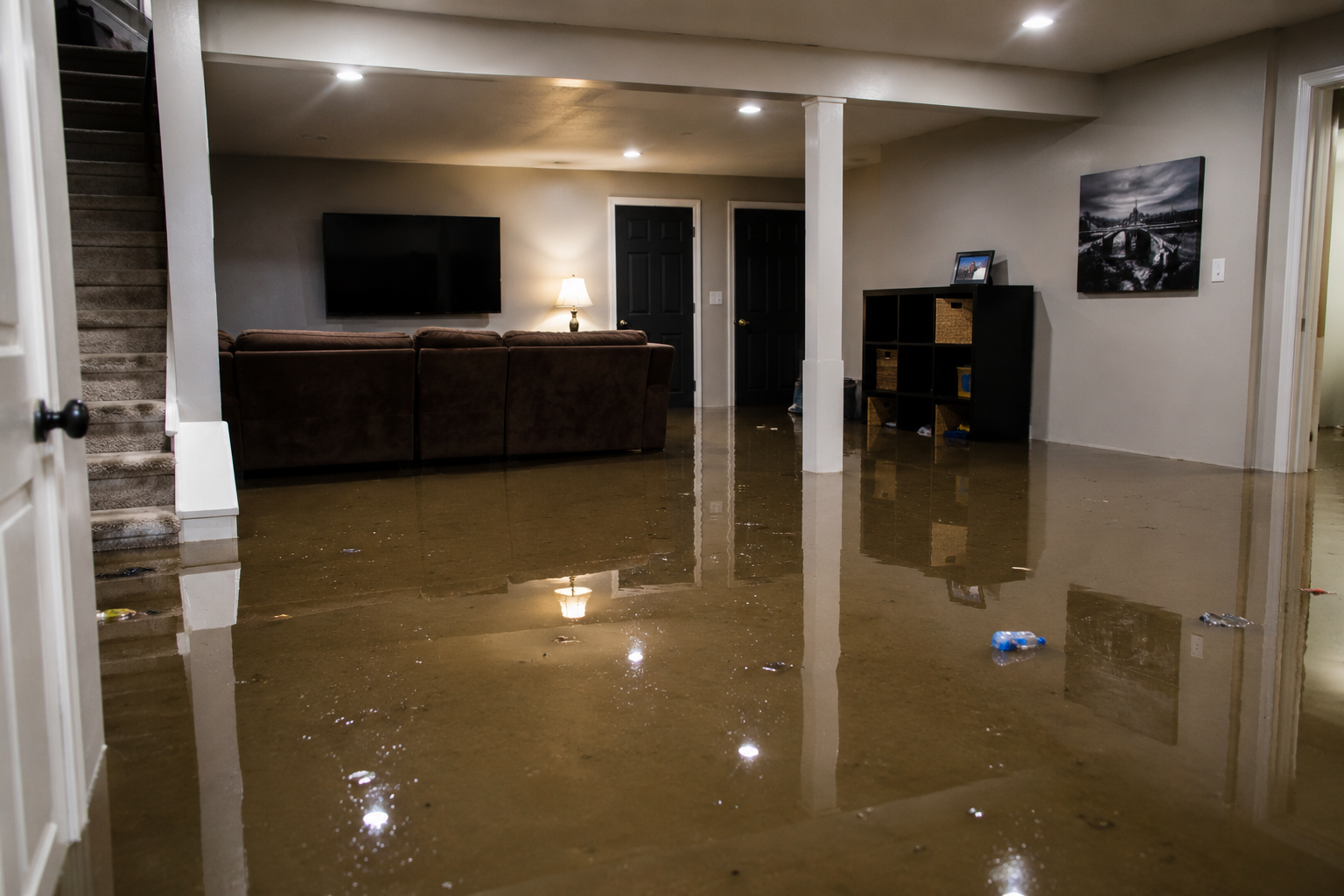
Flood cleanup in Arlington, Texas is a different animal from a simple pipe burst. When water enters from outside your home — whether from a backed-up storm drain, an overflowing creek, or sheet flooding across Arlington’s notoriously flat terrain — it carries contaminants that require a different level of response than clean supply water. This page covers what flood cleanup actually involves, why it matters for your health and your insurance claim, and what sets our process apart.
Where Arlington Flooding Comes From
The Trinity River and its tributaries cut through and around Arlington, and the city’s position in the broad, flat Dallas-Fort Worth basin means water has nowhere to go when it falls hard and fast. Johnson Creek, Village Creek, and Sycamore Creek all have flood histories in heavy rain events. Neighborhoods along these corridors — older areas near the UTA campus, properties west of I-20, sections of east Arlington — have seen street flooding that pushes water into homes through doors, vents, and foundation gaps.
Arlington also sits on Blackland Prairie clay. That soil absorbs water slowly, which means heavy spring and fall rainfall saturates the surface quickly and flows overland rather than soaking in. When combined with aging storm drain infrastructure that was not designed for the rainfall intensities this region now sees, you get flash flooding events that can put 12 to 18 inches of water in a first-floor living space within an hour.
Pier-and-beam homes — common in Arlington neighborhoods built before the 1960s — take on crawl space flooding that is invisible from inside the house. That standing water under the floor creates an ideal environment for mold within 24 to 48 hours and can undermine structural sills and beams over time.
Why Flood Water Requires Special Protocols
The IICRC classifies water by its source and contamination level. Category 1 is clean water from a supply line. Category 2 contains some contaminants — think washing machine overflow or dishwasher water. Category 3, which includes any water that has touched outdoor ground or sewage, is classified as grossly contaminated. All flood water that enters from outside your home is Category 3.
Category 3 water contains bacteria, pathogens, and potentially sewage backflow from overwhelmed municipal systems. You should not be in it without protection. Everything it touches — drywall, insulation, carpet, wood flooring — must be assessed and, in most cases, removed and discarded. You cannot simply dry Category 3 materials in place. That is a health risk and it will fail an insurance inspection.
Health warning: Standing flood water can contain E. coli, Salmonella, and Hepatitis A. Do not allow children or pets in the affected area. Wear rubber boots and gloves if you must enter. Call us immediately — this is not a situation for a shop vac and some fans.
Our Flood Cleanup Process
Our crew arrives in full PPE. The process is structured and documented at every step. First, we assess the category of water and the full extent of intrusion using moisture meters and thermal imaging. Then we pump and extract standing water using truck-mounted extractors — the fastest and most complete method available. We remove all non-salvageable materials: saturated drywall, carpet, pad, insulation, and any contents that cannot be effectively decontaminated.
After removal, we clean and disinfect all structural components with EPA-registered antimicrobial solutions. Then we set drying equipment — commercial dehumidifiers and air movers — and monitor daily until documented target moisture levels are reached. Everything is logged with time stamps, moisture readings, and equipment placement records. That file goes directly to your insurance adjuster.
Flood Cleanup and Insurance Documentation
If your flooding came from rising water outside your home, standard homeowners insurance in Texas typically does not cover it. You need a separate flood policy — either through the National Flood Insurance Program or a private flood insurer. FEMA’s flood maps for Tarrant County show several Arlington neighborhoods in Special Flood Hazard Areas. If you have a flood policy, we work directly with your adjuster and provide the complete documentation package they require.
For more on protecting yourself from future flooding, see FEMA’s flood preparedness resources at ready.gov/floods. For details on what our full water damage restoration process involves, see our water damage restoration page. If mold is already visible or the event happened more than 48 hours ago, read our mold remediation page next.
Water Categories
- Category 1: Clean supply water — pipe bursts, supply lines
- Category 2: Gray water — washing machine, dishwasher, toilet without solids
- Category 3: Black water — all flood water, sewage backup, groundwater intrusion
Arlington Flood-Prone Areas
- Johnson Creek corridor
- Village Creek watershed
- Sycamore Creek drainage basin
- East Arlington near Division St
- Neighborhoods west of I-20
- Pier-and-beam homes near UTA campus
Frequently Asked Questions
Yes. Any water that has contacted outdoor ground is classified as Category 3 by the IICRC. That includes creek overflow, storm drain backup, and sheet flooding across your lawn. It carries bacteria, pathogens, and potential sewage contamination. Standard cleaning is not sufficient. Full decontamination protocols are required.
If the water came from outside your home — a rising creek, street flooding, or storm surge — your standard homeowners policy almost certainly does not cover it. You need a separate flood policy through the NFIP or a private insurer. If the water originated inside your home (pipe burst, appliance failure, roof leak), that is typically covered under standard policies.
For Category 3 flood water, we strongly advise against it. The health risks are real and the drying science is specific. Insurance companies also look for professional documentation and moisture logs — a DIY cleanup that leaves moisture behind can lead to a denied claim later when mold is discovered. If you have limited coverage, call us anyway — we can advise on what is most urgent.
Extraction and initial material removal happens in the first day. Structural drying takes 3 to 5 days with daily monitoring. Reconstruction after flood-level damage typically runs 2 to 4 weeks depending on scope. The clay soil under Arlington homes can slow slab drying more than people expect.
Request a Free Assessment
We respond day or night. Describe your situation and we will call you right back.