
5 Mistakes Arlington Homeowners Make After a Flood
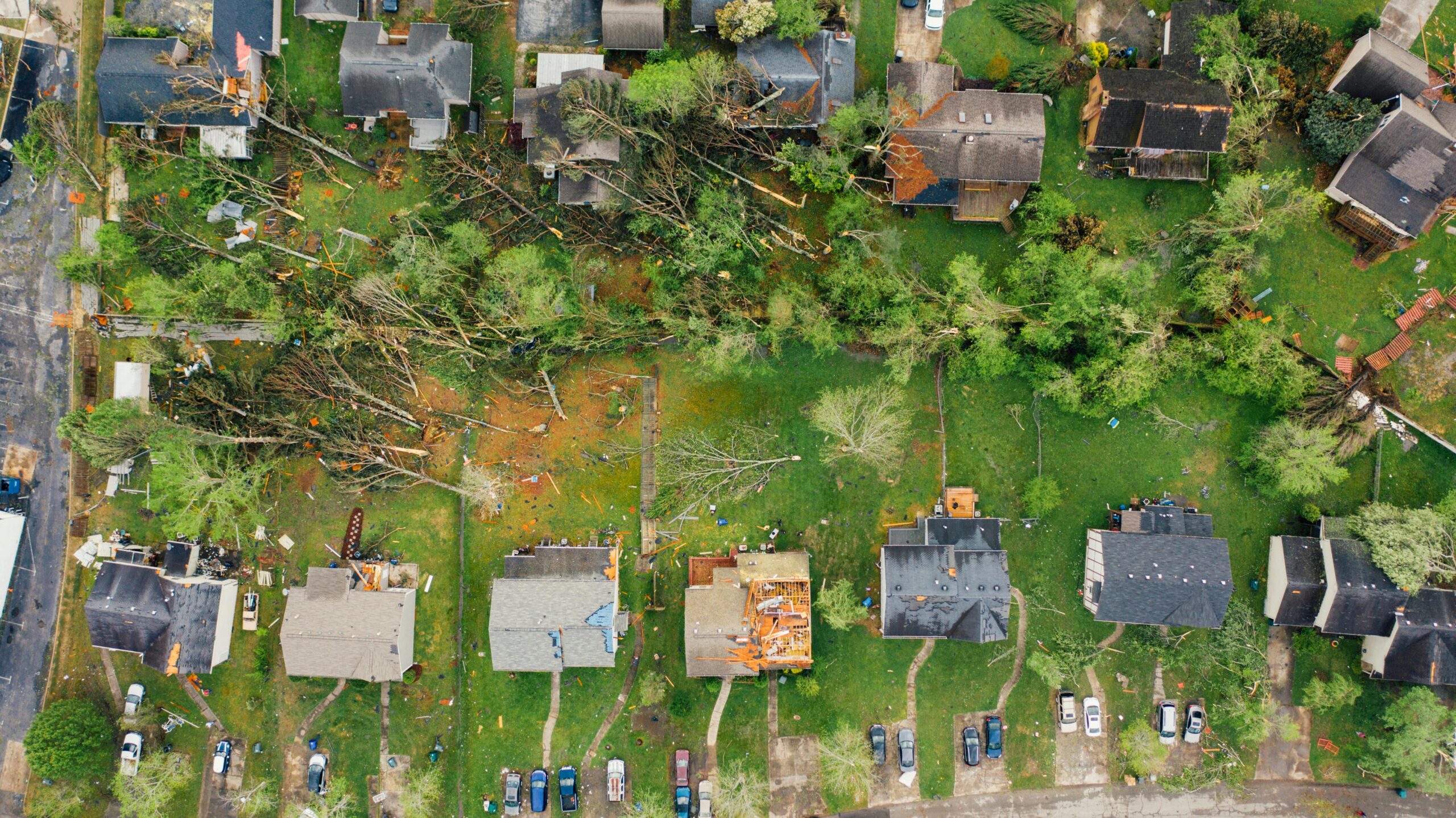 By Adam Wilson, Arlington TX Water Damage
Quick Answer
After a flood, do not enter standing water without confirming power is off, do not use household fans or shop vacs, do not discard damaged items before documenting them for insurance, do not wait more than 24 hours before calling a restoration company, and do not assume damage is limited to what you can see. Mold begins in 24 hours in Arlington’s summer heat, and creek floodwater carries Category 3 contamination.
Flooding in Arlington, Texas follows predictable patterns. Johnson Creek backs up during heavy spring rain events. Village Creek pushes into residential areas in lower-lying neighborhoods. Sycamore Creek, which drains a significant portion of the eastern city, floods streets and properties during intense summer downpours that overwhelm the storm drainage system. Flat terrain, expansive clay soil that absorbs water slowly, and creeks that run close to residential development all contribute to flooding that recurs year after year in parts of this city.
After the water recedes, the mistakes start. Homeowners who have never dealt with flooding before make decisions in the first few hours that affect the scope of damage, the strength of their insurance claim, and their family’s health over the following weeks. Here are the five most common ones.
Mistake 1: Entering the Floodwater Before Confirming the Power Is Off
Flood events that enter from outside — creek overflow, sheet flooding during heavy rain, storm drain backups — make this mistake particularly dangerous in Arlington. Exterior floodwater carries electrical hazards from downed lines, flooded utility boxes, and appliances sitting in standing water. If there is standing water in contact with any outlet, appliance, or electrical panel, the power must be confirmed off before anyone enters. Do not assume the circuit breaker tripped. Check from outside the wet area, or have the power company confirm disconnection before entering.
What to do instead: Stay out of the flooded area entirely until you can confirm from a dry location that power is disconnected. Call your utility company and then call us. We arrive with proper protective equipment and know how to assess the space safely.
Mistake 2: Using Household Fans and Shop Vacs to Dry the Space
This is one of the most common mistakes and one of the most damaging. Household box fans do not dry structural materials — they move surface air. The water that matters after a flood is inside the wall cavities, under the flooring, and in the subfloor assembly. Running fans on a flooded room for 48 hours does nothing meaningful to those materials. Shop vacs are not designed for bulk water extraction and cannot remove the water that has wicked into carpet pad, subfloor, or framing.
Floodwater from exterior sources — the kind that follows Johnson Creek or Village Creek overflow — is Category 3 water. It contains sewage bacteria, agricultural runoff, and anything else the creek carries. Moving that water with fans aerosolizes it and spreads contamination further into the structure. FEMA’s flood cleanup guidance is clear on this point: Category 3 events require professional decontamination, not household cleanup approaches.
What to do instead: Do not run fans or use shop vacs. Call for professional extraction. We arrive with truck-mounted extractors that remove water at a rate household equipment cannot match and dehumidifiers that address moisture at the structural level. Our flood cleanup page explains the full process.
Mistake 3: Throwing Away Damaged Items Before Documenting Them
After a flood, the instinct is to start cleaning immediately — pulling out ruined furniture, rolling up saturated carpet, bagging up damaged belongings. That instinct is completely understandable. Your home looks terrible, it smells like creek water, and you want it to look less like a disaster scene. The problem is that everything you throw away before documenting it is potentially a line item removed from your insurance claim.
Your insurance adjuster needs to see the damage to scope the claim. Photographs and video are second-best. What you have already removed and sent to the curb cannot be claimed. Arlington homeowners who have dealt with NFIP claims after creek flooding know this particularly well — NFIP adjusters are thorough and documentation-focused, and undocumented losses are denied losses.
What to do instead: Photograph and video everything before moving anything. Open every cabinet, closet, and storage area and document those too. Stack damaged items in the garage or outside if needed for safety, but photograph them in place first and photograph them in the pile as a secondary record. Do not bag and remove items until your adjuster has either visited or confirmed that documentation is sufficient.
Mistake 4: Waiting More Than 24 Hours to Call a Restoration Company
This one is specific to Arlington’s climate in a way that makes it more costly here than in many other parts of the country. Between May and September, when Arlington’s overnight temperatures stay above 75 degrees and a flooded interior is humid and warm, mold germination can begin in under 24 hours. In some conditions — particularly in pier-and-beam crawl spaces or in wall cavities with prior moisture exposure — it starts faster.
Category 3 floodwater also degrades materials faster than clean water. Drywall that has absorbed exterior floodwater begins losing structural integrity within hours. The longer extraction is delayed, the more material has to be removed rather than dried, and the higher the restoration cost. A 12-hour delay in calling a restoration company after a Johnson Creek flooding event can turn a drying job into a full gut-and-rebuild on the affected sections of wall.
What to do instead: Call us at (817) 231-8660 as soon as the water source is controlled and you can safely reach a phone. If you are unsure whether the event qualifies as an emergency, call anyway. Our emergency water damage page gives you the exact steps to take before we arrive.
Mistake 5: Assuming the Damage Ends Where the Water Looks Dry
Water migration does not follow visible lines. After a flood event in Arlington, the visible wet area — wet carpet, water on the floor, stained drywall — represents only a portion of the actual moisture in the structure. Water wicks laterally under flooring, travels through wall cavities, and migrates into areas that may look completely dry from the surface. Thermal imaging cameras and moisture meters are the only way to find it all.
This matters particularly in older Arlington homes with pier-and-beam foundations. Water that floods the interior also floods the crawl space below, and crawl space moisture affects the flooring assembly from underneath. Flooring and framing that tested dry on the surface after a flood have been found significantly elevated in moisture content when measured from below a week later.
What to do instead: Let professional assessment define the damage boundary, not visual inspection. We use thermal imaging and calibrated moisture meters to find every affected area, document the moisture levels, and establish the full drying scope before any restoration work begins. Do not agree to a restoration scope based on what an adjuster or contractor can see with the naked eye alone.
Frequently Asked Questions
Mold can begin germinating on wet drywall and wood framing within 24 to 48 hours after flooding. In Arlington between May and September, when temperatures often exceed 90 degrees and indoor humidity is high in a flooded space, mold growth can begin at the low end of that window — sometimes closer to 18 hours on surfaces with existing organic debris or prior moisture exposure.
No. Standard homeowners insurance does not cover rising water flooding. Flood damage from exterior water — creek overflow, storm surge, and sheet flooding — requires a separate National Flood Insurance Program policy or a private flood policy. Water that enters through a roof breach during a storm may be covered under standard homeowners insurance. The source of water determines the coverage.
Category 3 water is grossly contaminated water — sewage backup, floodwater from exterior sources like Johnson Creek or Village Creek overflow, and any water that has been standing for more than 24 to 48 hours. Category 3 events require full protective equipment for technicians, more aggressive decontamination protocols, and may require disposal of porous materials that cannot be adequately sanitized. This affects both restoration scope and cost.
Only after confirming the power is off and the water source is controlled. Do not enter until both are confirmed. Floodwater from creek overflow may contain sewage contamination and should be treated as a biological hazard. Wear rubber boots and gloves at minimum if you must enter before professional help arrives. Avoid skin contact with floodwater where possible.
Not an Emergency? Request an Assessment.
Fill out the form and we will call you back within minutes.